
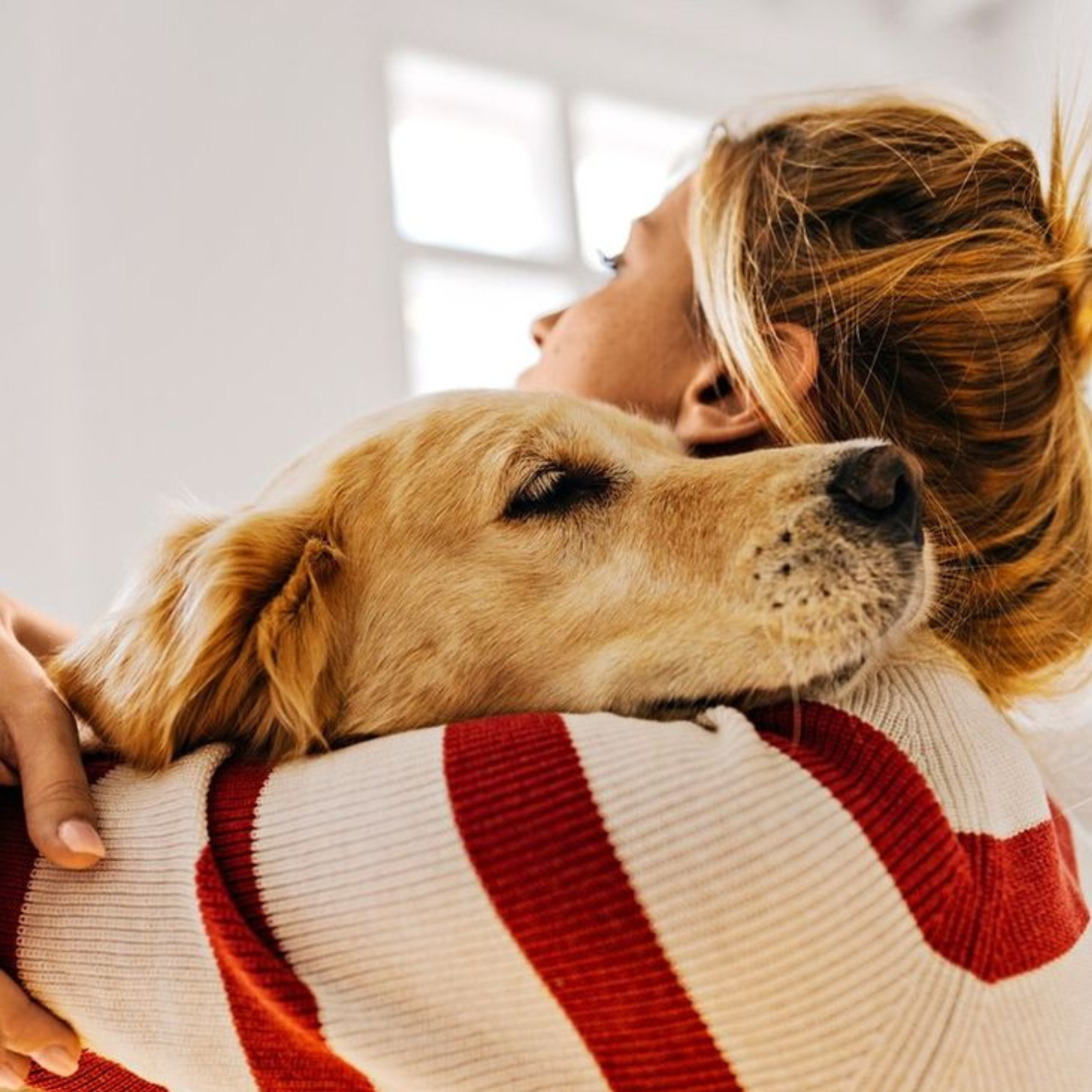
There’s a funny thing about dogs.
No matter how old they get, we still picture them as the energetic little whirlwind they once were. The one racing around the garden like an absolute menace, charging towards the front door when you picked up the lead, or bouncing about the house at the mere mention of “walkies”.
So when those little changes start creeping in, they can catch you off guard a bit.
At first, it’s subtle.
Maybe they take a little longer getting up after a nap. Perhaps they hesitate before jumping into the car. The walks become slightly shorter. They seem less interested in chasing the ball for half an hour straight like they used to.
And if we’re honest, most of us brush it off initially.
“They’re probably just tired.”
“It’s the weather.”
“They’re having an off day.”
But over time, you begin noticing it more often.
The thing is, slowing down with age is perfectly natural for many dogs. Just like us, their bodies change over time. Joints experience wear and tear, energy levels shift, digestion can become more sensitive, and recovery takes a bit longer than it once did.
The important part isn’t panicking every time your dog slows down a touch. It’s understanding the signs early enough that you can support them properly and help keep them comfortable, happy, and enjoying life.
Because the goal isn’t simply helping dogs live longer.
It’s helping them live well.
They Don’t Bounce Up Quite As Quickly Anymore
One of the earliest things many owners notice is how slowly their dog gets up after resting.
A younger dog tends to spring up without a second thought. Older dogs, however, may take a moment to steady themselves first. You might notice stiffness in their back legs or a slower, more careful movement after lying down for a while.
It doesn’t necessarily mean something is seriously wrong, but it can be a sign that their joints are starting to need a bit more support.
You may also spot them stretching more frequently or shifting position often whilst lying down, trying to get comfortable. A lot of dogs are quite good at masking discomfort, bless them, so these little behaviours can speak volumes.
Walks Start Looking A Bit Different
Most dogs never lose their love for a walk.
Even older dogs who move more slowly still get that sparkle in their eyes when the lead comes out.
But you may notice changes in how they handle exercise.
Perhaps they lag behind slightly instead of marching ahead like they own the pavement. Maybe they tire quicker, want to turn back sooner, or stop for breaks more often than they used to.
Some dogs may become reluctant to walk longer distances altogether, especially after particularly active days.
That’s often where owners begin realising their dog isn’t just “slowing down a bit”, their body may genuinely be finding movement more difficult.
The good news is that with the right lifestyle adjustments and proper wellness support, many dogs can continue enjoying active, fulfilling routines well into their senior years.
And honestly, those slower walks become rather lovely in their own way. A bit less chaos. A bit more appreciation for the time together.
Jumping, Stairs & Everyday Movement Become Harder
This is usually one of the more noticeable signs.
Dogs who once launched themselves onto the sofa without hesitation may suddenly pause first. Some stop jumping altogether. Others become cautious around stairs or need help getting into the car.
You might even hear a little sigh before they settle down.
It’s those tiny moments that tug at you a bit, isn’t it?
These changes are commonly linked to joint stiffness and reduced mobility, particularly in older dogs or larger breeds. Over time, everyday movement can become less comfortable, even if your dog still tries their best to carry on as normal.
That’s why many pet owners start introducing joint support earlier these days rather than waiting until mobility becomes a major issue. Supporting healthy joints proactively can make a meaningful difference to comfort and movement over time.
They Seem Less Playful Than Before
Every dog slows down eventually, but a noticeable drop in enthusiasm can sometimes point towards discomfort, fatigue, or age-related changes.
Perhaps they still enjoy playing, just not for as long.
Maybe they’d rather stay curled up beside you than chase toys around the house. Some dogs become more selective with how they spend their energy, almost as if they’re budgeting it carefully.
And fair enough really, most of us would do the same after a certain age.
What matters most is paying attention to gradual behavioural shifts. Dogs communicate a great deal through their habits and routines, and owners usually know deep down when something feels a bit different.
Changes In Digestion & Appetite
Ageing doesn’t only affect joints and movement.
Many older dogs experience digestive changes too. Sensitive stomachs, bloating, inconsistent stools, reduced appetite, or simply seeming “off” after meals can all become more common with age.
Gut health plays a surprisingly important role in overall wellbeing. A healthy digestive system supports everything from energy levels to immunity and daily comfort.
That’s why more owners are beginning to focus on whole-body wellness rather than only addressing one issue at a time. Joint care, digestive support, skin health, calmness — they’re all connected more than people realise.
When dogs feel better internally, you often notice it externally too.
More energy. Better moods. Shinier coats. Happier behaviour.
The Emotional Side Of Watching Them Age
This part doesn’t get spoken about enough.
Watching your dog grow older can feel oddly emotional. They’ve been there through countless chapters of your life, the good days, the stressful ones, the milestones, the routines.
They’re woven into your everyday life so deeply that even the smallest change in them feels significant.
And naturally, most owners start wondering the same thing:
“Am I doing enough for them?”
The truth is, caring for an ageing dog isn’t about chasing perfection. It’s about paying attention, adapting where needed, and giving them the support that helps them stay comfortable and content.
Sometimes that means softer beds.
Sometimes shorter walks.
Sometimes a calmer routine.
Sometimes nutritional support designed to help their body cope better with ageing.
It’s the small acts of care that matter most.
Helping Them Stay Comfortable For Years To Come
Ageing is inevitable.
But discomfort doesn’t have to define your dog’s later years.
With proper support, many dogs continue living wonderfully happy, active lives long into their senior years, still enjoying walks, affection, adventures, treats, and all the little moments that make life exciting.
At Mr. Coopers, we believe dogs deserve more than simply “getting by” as they age. They deserve to feel comfortable, supported, and genuinely well.
Because they’re not just pets, are they?
They’re family.
And if a little extra care helps give them more happy years by your side, that’s rather worth it.


Leave a comment
This site is protected by hCaptcha and the hCaptcha Privacy Policy and Terms of Service apply.