
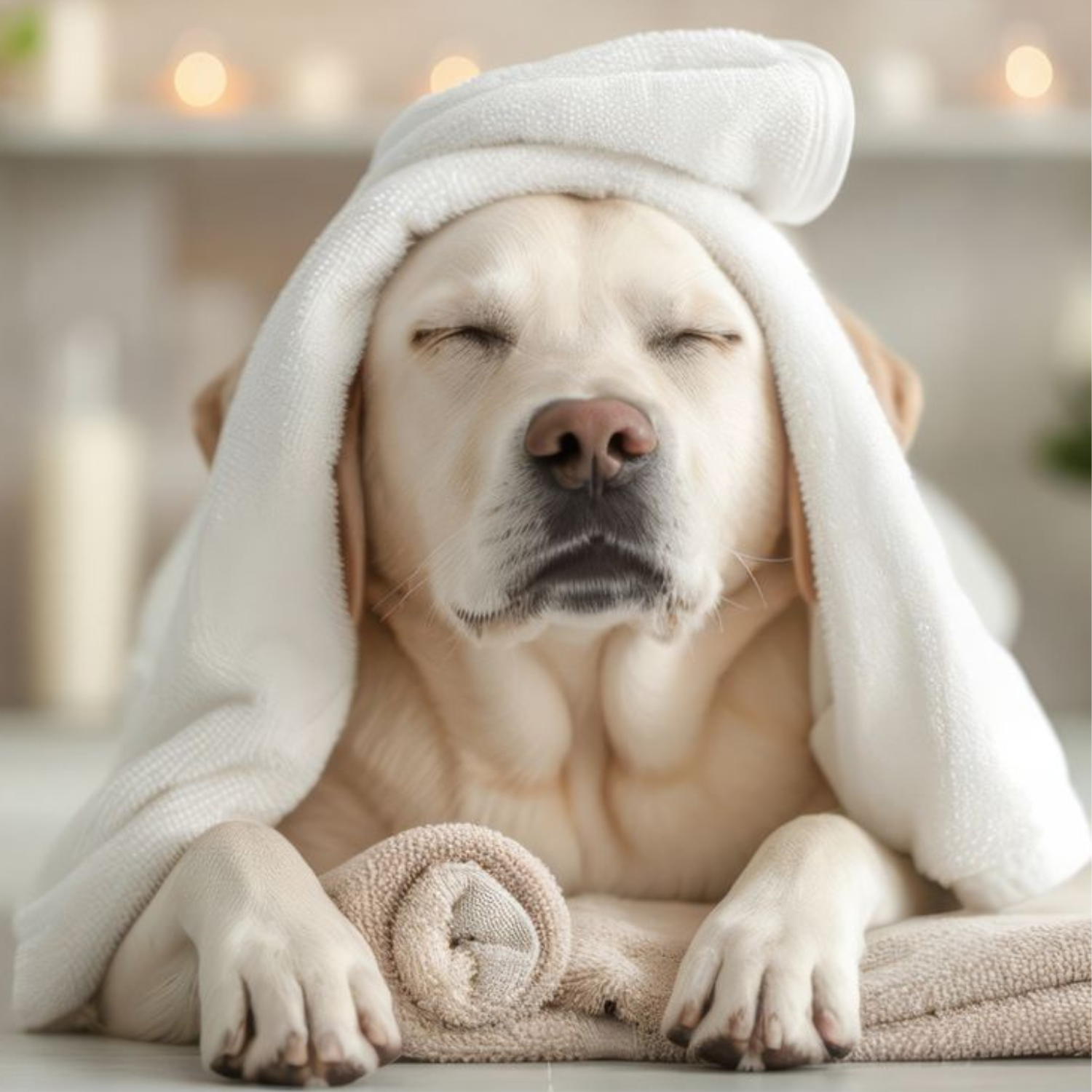
Some dogs are naturally laid-back.
The sort that could sleep through a fireworks display, barely lift an eyebrow at the postman, and happily snooze in the middle of absolute chaos like they pay the mortgage.
Others, however, feel everything.
The loud noises.
The unfamiliar places.
The moment you pick up your keys to leave the house.
And if you’ve got an anxious dog, you’ll know how heartbreaking it can be watching them struggle to settle when the world feels overwhelming to them.
Anxiety in dogs is actually far more common than many people think. Sometimes it shows up in obvious ways, barking, pacing, whining, trembling. Other times, it’s much subtler. A clingier mood. Restlessness at night. Refusing food. Following you from room to room like a tiny security guard who’s perpetually on edge.
The good news is this:
Many anxious dogs can feel significantly calmer and more comfortable with the right environment, routine, and support.
And no, helping them relax doesn’t always mean drastic measures. Often, it’s the small, consistent things that make the biggest difference.
First Things First - Understanding What’s Triggering Them
Dogs experience anxiety for all sorts of reasons.
For some, it’s separation anxiety. For others, it’s loud noises, travelling, unfamiliar visitors, changes in routine, or even simply getting older and feeling less confident.
Some dogs are just naturally more sensitive souls.
And honestly, once you start paying attention, you’ll usually begin spotting patterns.
Perhaps your dog becomes restless when left alone for longer periods. Maybe they panic during thunderstorms or seem unsettled in busy environments. Some dogs become anxious after moving house or when there’s a big life change happening around them.
The important thing is recognising that anxious behaviour isn’t your dog being “difficult” or “naughty”.
They’re trying to cope with something that feels stressful to them.
That shift in perspective changes everything.
Create A Calm, Predictable Routine
Dogs thrive on consistency.
A predictable routine helps reduce uncertainty, and uncertainty is often what fuels anxiety in the first place.
Feeding times, walks, bedtime, playtime, keeping these things relatively consistent can help your dog feel far more secure day to day.
It sounds simple, but genuinely, routine works wonders for nervous dogs.
Even little habits help. The same calming evening routine. The same sleeping spot. The same reassuring phrases you say before leaving the house.
Dogs are creatures of familiarity. When life feels predictable, they often relax considerably.
And if we’re honest, most of us feel calmer when we know what to expect too.
Don’t Accidentally Reward Panic
This one catches many owners out because it comes from a place of love.
When dogs become anxious, our instinct is often to fuss over them immediately, cuddles, reassurance, attention, lots of “it’s okay, it’s okay”.
And whilst comfort absolutely matters, constantly reacting with heightened emotion can sometimes reinforce the idea that there truly is something frightening happening.
Instead, try to remain calm yourself.
Steady voice. Relaxed energy. Gentle reassurance without turning the moment into a major event.
Dogs are remarkably good at reading our emotions. If you stay composed, they often begin settling more quickly too.
Think of yourself as their anchor rather than their emergency alarm.
Exercise Helps More Than People Realise
A mentally and physically stimulated dog is often a calmer dog.
Now, that doesn’t mean exhausting them entirely every single day. But regular walks, enrichment, sniffing activities, gentle play, and mental stimulation can all help reduce nervous energy significantly.
Sniffing in particular is brilliant for anxious dogs.
Allowing your dog time to properly sniff during walks gives them mental engagement and helps them decompress naturally. Not every walk needs to feel like a military march around the block at lightning speed.
Sometimes the slow “sniffari” walks are exactly what they need.
And truthfully, they’re a bit more enjoyable for us too once you stop fighting the process.
Give Them A Safe Space
Most anxious dogs benefit enormously from having a quiet space they can retreat to when they’re feeling overwhelmed.
This could be:
- A cosy bed in a quieter room
- A covered crate they feel safe in
- Their favourite blanket
- A calm corner away from loud noise and activity
The key is allowing it to become a place associated with comfort and security rather than isolation or punishment.
During stressful moments, fireworks, visitors, storms, many dogs naturally seek smaller, enclosed spaces because it helps them feel protected.
Creating that safe environment proactively can help prevent stress levels from escalating in the first place.
Watch For Subtle Signs Of Stress
Not all anxiety looks dramatic.
Some dogs don’t bark or panic outwardly at all. Instead, stress can show up through behaviours like:
- Excessive licking
- Panting indoors
- Restlessness
- Pacing
- Yawning repeatedly
- Refusing food
- Clinginess
- Hiding away
- Digestive upset
And sometimes owners only realise how anxious their dog has been once they finally begin relaxing properly.
It’s a bit like living with tension in your shoulders for so long you forget what relaxed feels like.
Natural Calming Support Can Help
Alongside routine, training, and environmental changes, many pet owners now choose natural calming support to help their dogs feel more settled during stressful situations.
Particularly for dogs dealing with:
- Separation anxiety
- Travel stress
- Loud noises
- Hyperactivity
- Restlessness
- Changes in routine
The goal isn’t to make dogs sleepy or dull their personality.
It’s simply helping them feel calmer, safer, and less overwhelmed by situations they struggle to process.
When paired with a supportive routine and reassuring environment, calming supplements can become part of a much bigger wellbeing approach, one focused on helping dogs genuinely feel more comfortable day to day.
At Mr. Coopers, that’s something we care deeply about because anxious dogs affect entire households. When your dog is unsettled, you feel it too.
And when they finally relax properly?
You feel that as well.
Be Patient With Them
This might be the most important part of all.
Anxious dogs don’t need perfection from us.
They need patience.
Progress with anxiety is often gradual. Some days will feel brilliant. Others may feel like you’ve taken a step backwards for no apparent reason.
That’s perfectly normal.
What matters is consistency, understanding, and recognising that confidence takes time to build.
And often, the biggest comfort for an anxious dog isn’t a product or technique at all.
It’s simply knowing their person is there.
A Calmer Dog Often Starts With A Calmer Environment
At the end of the day, dogs don’t need flawless owners.
They need safe homes. Predictable routines. Gentle reassurance. Proper care. Patience. Comfort.
And sometimes, a bit of extra support along the way.
Because every dog deserves to feel safe, settled, and relaxed in the place they call home.
And frankly, there’s not much better than seeing an anxious dog finally exhale properly, stretch out peacefully, and realise everything’s alright after all.

Leave a comment
This site is protected by hCaptcha and the hCaptcha Privacy Policy and Terms of Service apply.