
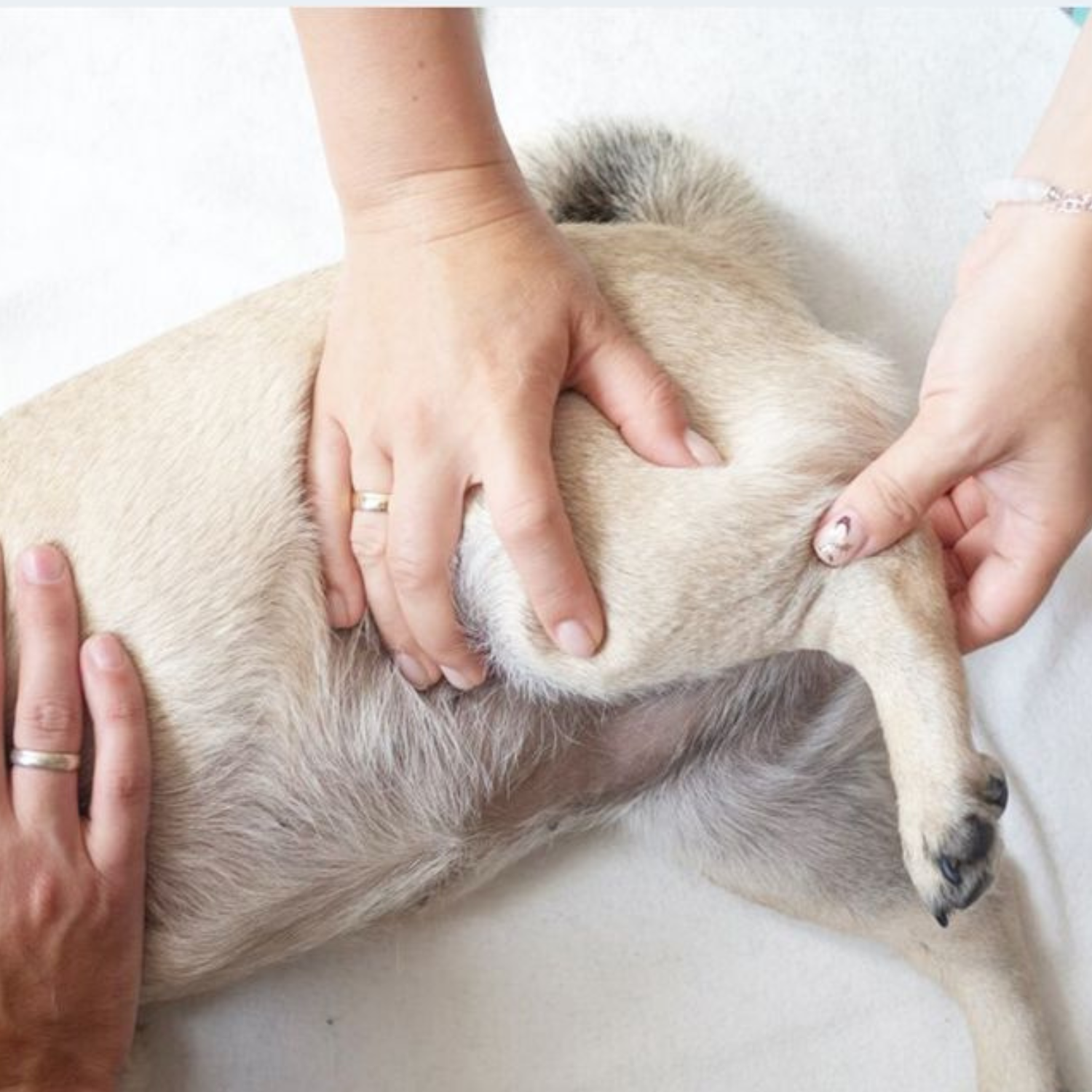
Dogs are remarkably good at carrying on.
Honestly, sometimes a bit too good.
Unlike us, they can’t exactly announce that their knees feel stiff or that their hips are aching after a long walk. So instead, they adapt quietly. They compensate. They change little habits here and there without making a dramatic fuss about it.
And because those changes happen gradually, many owners don’t notice them straight away.
At first, it’s easy to brush things off.
“They’re just tired.”
“They’re getting older.”
“They can’t be bothered today.”
But often, those subtle shifts in behaviour are your dog’s way of telling you something doesn’t feel quite right.
The thing about joint discomfort is that it rarely starts with a major limp or obvious pain. More commonly, it begins with tiny signs that are easy to miss unless you know what to look for.
And catching those signs early can make a real difference to your dog’s comfort, mobility, and overall quality of life.
Taking Longer To Get Up
This is one of the biggest early indicators.
You know how younger dogs tend to spring up instantly the second they hear a biscuit packet rustle from three rooms away?
Dogs experiencing joint stiffness often move differently.
They may take a moment before standing up after resting. Some shift their weight carefully first. Others stretch repeatedly before walking off, almost as though their body needs warming up.
It’s especially noticeable first thing in the morning or after long naps.
Many owners assume this is simply “normal ageing”, and to some extent ageing does naturally affect mobility. But stiffness shouldn’t automatically be ignored just because a dog is getting older.
Comfort matters at every age.
Hesitating Before Jumping
Another subtle sign many people miss is hesitation.
Your dog may still jump onto the sofa or into the car, but suddenly there’s a pause beforehand. A moment of consideration. A slight reluctance where there never used to be one.
Some dogs even begin taking alternative routes entirely.
Rather than jumping onto the bed directly, they may look for a lower surface first. Instead of bounding upstairs, they climb slowly and cautiously.
It’s not laziness.
Often, they’re simply trying to avoid movements that feel uncomfortable.
And because dogs naturally adapt around discomfort, these changes can creep in gradually enough that owners barely notice until one day they suddenly think:
“Hang on… they never used to do that.”
Slower Walks & Reduced Enthusiasm
Most dogs still love their walks even when their joints aren’t feeling their best.
That’s what makes this one tricky.
A dog experiencing joint discomfort may still wag their tail at the sight of the lead, but during the walk itself, you might notice:
- Slower pacing
- Falling behind slightly
- Sitting down more often
- Shorter bursts of energy
- Wanting to head home sooner
- Less interest in running or chasing toys
Some dogs become particularly stiff after exercise rather than during it. You’ll notice they seem slower later in the evening or the following morning after an active day.
That delayed stiffness is quite common.
And truthfully, many owners only fully realise something’s changed once they compare old videos or photos and think:
“Blimey… they used to move so differently.”
Changes In Posture Or Sitting Position
This one is surprisingly overlooked.
Dogs with joint discomfort often sit or lie differently to avoid pressure on certain areas of the body.
You may notice:
- Sitting unevenly
- Stretching legs out oddly
- Shifting position frequently
- Avoiding lying on one side
- Sleeping more than usual
- Difficulty getting comfortable
Some dogs also stand with a slightly altered posture to compensate for stiffness in specific joints.
Again, these are small changes. Easy to miss individually. But together, they can paint quite a clear picture.
Less Interest In Playing
Joint discomfort doesn’t just affect movement.
It affects confidence too.
A dog who once charged around the garden without a care in the world may begin holding back during play because certain movements no longer feel as easy or comfortable.
You may notice they stop chasing balls halfway through. Or they engage for shorter periods before lying down.
Some owners mistake this for their dog “mellowing out”, when in reality, their dog may simply be trying to avoid discomfort.
And that’s the heartbreaking part sometimes.
Dogs rarely stop wanting to enjoy life.
Their body just makes it harder.
Stiffness After Rest
One of the most classic signs of joint discomfort is what many owners call the “warming up” effect.
A dog appears stiff initially after resting, but once they’ve walked around for a few minutes, they seem much more comfortable again.
This can happen because joints often tighten during periods of inactivity.
You might notice:
- Slow walking after naps
- Slight limping that improves with movement
- Careful steps at first
- Difficulty using stairs early in the day
It’s subtle, but it’s worth paying attention to.
Especially in larger breeds, senior dogs, or highly active dogs who place more strain on their joints over time.
Mood Changes Can Be A Sign Too
This surprises a lot of people.
Joint discomfort doesn’t only affect physical movement, it can influence behaviour as well.
Dogs experiencing ongoing discomfort may become:
- More withdrawn
- Irritable
- Restless
- Less social
- Clingier than usual
- Reluctant to be touched in certain areas
Some simply seem quieter.
And because dogs can’t explain how they’re feeling, behavioural shifts are often one of the clearest clues owners have.
Why Early Support Matters
The earlier joint discomfort is recognised, the easier it often is to support long-term mobility and comfort.
That’s why many pet owners now focus on proactive wellness rather than waiting for severe symptoms to appear.
Simple adjustments can make a huge difference:
- Maintaining a healthy weight
- Gentle regular exercise
- Supportive bedding
- Avoiding excessive strain
- Joint-supporting nutrition
- Wellness supplements designed to support mobility and flexibility
At Mr. Coopers, we believe dogs deserve support before discomfort starts affecting their quality of life in a major way.
Because staying active isn’t just about movement.
It’s about confidence. Independence. Excitement. Playfulness. Everyday happiness.
Sometimes The Smallest Signs Matter Most
The difficult thing about joint discomfort is that it often whispers before it shouts.
A slower walk here.
A hesitation there.
A slightly different way of sitting.
A little less enthusiasm for the stairs.
Tiny things.
But when you truly know your dog, those tiny things matter.
And the earlier you notice them, the earlier you can start helping your companion stay comfortable, mobile, and full of life for as long as possible.
Because every dog deserves to enjoy the simple things, the walks, the zoomies, the sofa cuddles, the excited greetings at the front door, without discomfort quietly getting in the way.


Leave a comment
This site is protected by hCaptcha and the hCaptcha Privacy Policy and Terms of Service apply.